

SEO for Sports Organizations: Fan Engagement & Leisure Centre Growth (2026)
Search Engine Optimization (SEO) is the playing field where sports organizations win or lose their digital audience. In 2026, it is no longer just about keywords; it is about owning the Fan Journey. Whether you are a professional team driving ticket sales or a local Leisure Centre filling swimming classes, your strategy must pivot to video, mobile dominance, and instant answers.
Sports SEO Key Takeaways
| Trend | Details |
|---|---|
| Mobile-First Fan Experience | 90% of ticket sales & live stat checks happen on mobile devices. |
| Video & Visual Search | Short-form video (TikTok/Reels) content indexing is now a primary ranking factor. |
| Local SEO (Leisure) | “Near me” queries for gym classes and facility hire have doubled. |
| Schema Markup | Essential for displaying Live Scores, Fixtures, and Player Stats in search results. |
| AI Content | Automated match reports and programmatic SEO for fixture pages. |
| Influencer Signals | Athlete and local influencer social signals now impact search authority. |
Mobile-First: The Stadium in Your Pocket
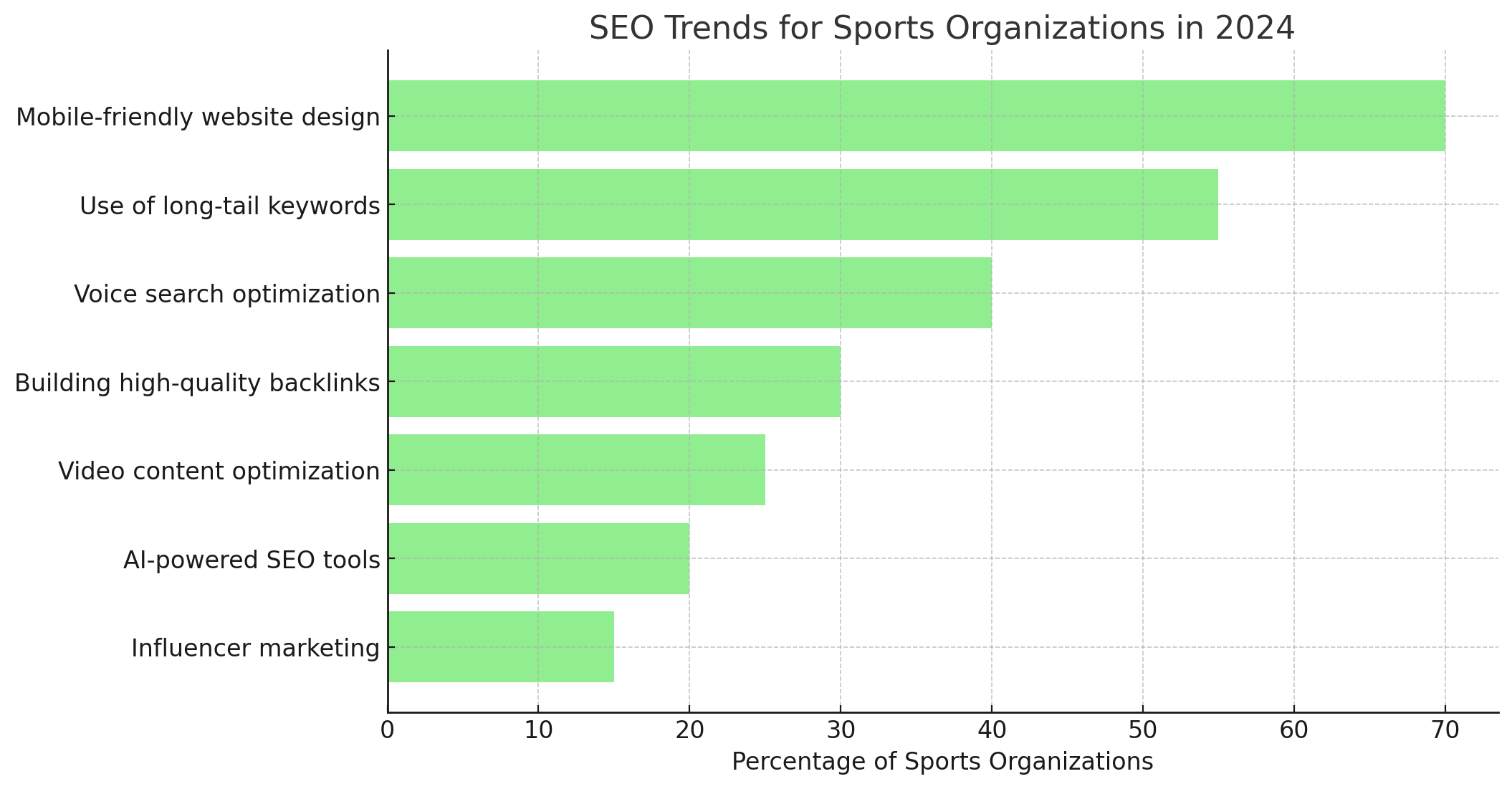
By 2026, mobile optimization is no longer a “trend”—it is the baseline. With 90% of fans checking live stats, booking courts, or buying merchandise via smartphones, a seamless mobile experience is your primary SEO ranking factor. Google now penalizes sports sites that have slow “Time to Interactive” speeds, as fans demand instant gratification.
Discover more about Local SEO.
Local SEO for Leisure Centres
For Leisure Centres, SEO is a hyper-local game. The battleground is the “Map Pack.” Users aren’t searching for “gyms”; they are searching for “Swimming lessons near me” or “5-a-side pitch hire [City Name].” Optimizing your Google Business Profile with up-to-date class schedules and facility photos is the single most effective way to drive footfall in 2026.

Learn more from our SEO Consultant London page.
Voice Search & AI Assistants
Voice search has evolved into “Conversational Search.” Fans are asking Siri or ChatGPT, “Who is playing at the stadium tonight?” or “What time does the spinning class start?” To rank for these, your content must be conversational and factually structured so AI tools can read your data easily.
High-Quality Backlinks & Sponsorships
In the sports world, authority comes from partnerships. 30% of successful sports SEO strategies in 2026 focus on digital PR—getting links from local news outlets, sponsor websites, and league associations. These “high trust” links tell Google you are a legitimate entity in the sporting world.
Read about how logistics impact events at SEO for Transportation and Logistics.
Video Content: The Highlight Reel
Search engines now index video content just as they do text. 25% of sports organizations are prioritizing “Video SEO”—optimizing titles and descriptions of match highlights, training clips, and facility tours. A well-optimized video can appear at the top of Google Search results, often above Wikipedia.
Programmatic SEO & AI Tools
Sports organizations generate massive amounts of data (scores, player stats, league tables). 20% of forward-thinking agencies use AI-powered SEO to automatically generate landing pages for every fixture or player profile. This “Programmatic SEO” allows you to capture thousands of long-tail searches (e.g., “Team A vs Team B stats”) without writing every page manually.

Explore how secure payment gateways help ticket sales in Fintech SEO.
Influencer & Athlete Marketing
Influencer marketing has merged with SEO. When a star athlete or a local fitness influencer links to your leisure centre on their blog or social bio, it sends a powerful “social signal” to search engines. 15% of organizations are now formalizing these digital partnerships to boost their domain authority.

Find out more about selling merchandise at SEO for E-Commerce Stores.
Conclusion
Staying ahead in the competitive sports industry requires agility. Whether competing for league titles or local gym memberships, the winners in 2026 will be those who master Mobile speed, Local Map dominance, and Video SEO.
By implementing these strategies, sports organizations can ensure they aren’t just part of the game—they are leading the league.